

Long-distance NEMT for Ventilator, BiPAP, or CPAP Patients

Hello, we are

Long-distance NEMT for ventilator, BiPAP, or CPAP patients

Steady breathing support, every mile of the trip

Hello, we are

Long-distance NEMT for ventilator, BiPAP, or CPAP patients

Steady breathing support, every mile of the trip

Long-Distance NEMT for Ventilator, BiPAP, and CPAP Patients: Yes, the Machine Comes Too

Long-distance NEMT for ventilator, BiPAP, and CPAP patients

Some patients pack a suitcase. Others pack a suitcase, a breathing machine, a power cord, a humidifier chamber, and a very specific set of settings their pulmonologist spent weeks dialing in.

If your loved one depends on a ventilator, BiPAP, or CPAP, a long trip raises questions a regular ride can’t answer. Where does the device plug in? What happens when the road gets bumpy? Who notices if something sounds off at mile 300? Those are exactly the questions our team likes to settle before anyone climbs aboard.

Why a Family Car or Airline Seat Gets Tricky Fast

Airlines each set their own rules for breathing devices, battery limits, and paperwork. Even when everything is approved, a patient who needs their machine to rest can’t exactly lie back in seat 23B. A family car is worse. Unreliable power, no room to recline, and nobody trained watching the patient while someone else drives.

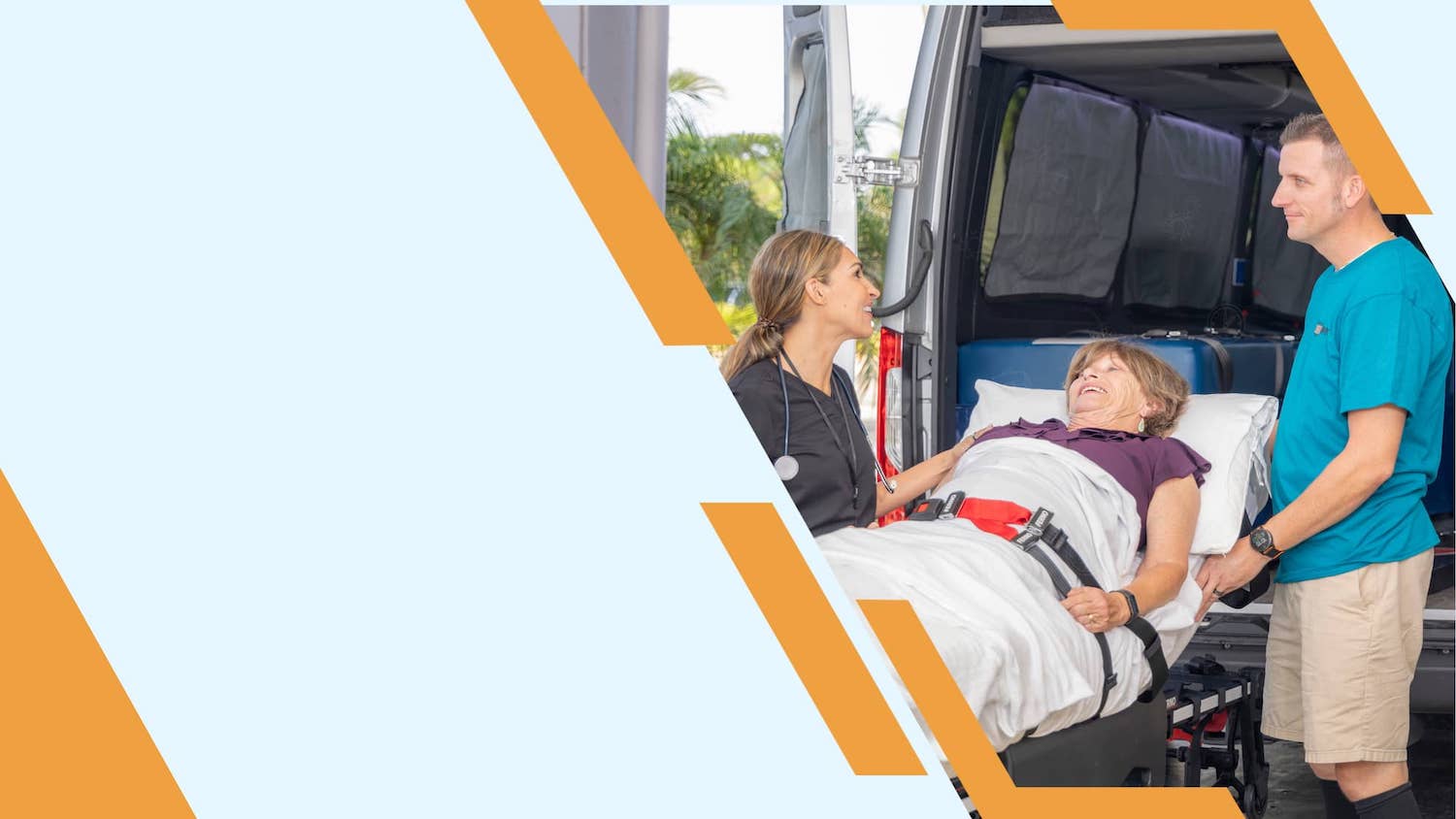
Long distance medical transportation solves the setup problem. The patient rides lying down or reclined, the device stays secured and running, and an attendant sits right beside them the whole way.
Every Breath Matters, So We Plan Around It

Before we quote a single mile, we talk about breathing. Which device, what settings, how many hours a day, and whether oxygen is part of the picture. We also ask whether the patient is stable enough for non-emergency travel.

That last question matters. Some ventilator patients need a critical care team or a respiratory therapist on board. If that’s the case, we’ll tell you honestly and help you find the right fit, because the right trip beats a fast yes every time.

BiPAP, CPAP, and Vent Patients Aren’t One Group

A CPAP user might only need the machine during naps on the road. A BiPAP patient with COPD may lean on it for longer stretches, sometimes with oxygen blended in. A home ventilator patient needs steady, uninterrupted support from pickup to drop-off. We plan the cot position, the stop schedule, and the backup plan around whoever is actually riding with us.

Power, Backups, and Other Unglamorous Details

Breathing equipment needs dependable power. Our vans are set up to run medical devices on the road, and we’ll ask you to bring fully charged batteries plus any backup supplies from your equipment company. Masks, tubing, filters, distilled water for the humidifier. Not thrilling stuff, but it’s what keeps a 900-mile day wonderfully boring.

Room to Breathe. Literally.

Positioning makes a real difference for people with breathing trouble. Our medical transport fleet runs on Mercedes-Benz Sprinter vans with space to keep the head elevated and the tubing untangled. The powered Stryker cot adjusts smoothly, and stretcher transportation means nobody has to sit upright for hours when their lungs would rather they didn’t. It’s the same comfortable setup we use for bed-ridden patients.

Denver to Dallas, Boston to Baltimore, and Everywhere Between

Our long distance medical transportation crews run routes all over the country, from a few hundred miles to full coast-to-coast moves. The destination changes. The attention doesn’t.

The Breathing Gear Checklist

Pack these together so nothing gets left behind at the nurses’ station:

Our crew will look everything over at pickup and keep it within arm’s reach for the entire trip.

You Called. Now What Happens?

First, we listen. Expect questions like:

  • Which device does the patient use, and for how many hours a day?
  • Is oxygen needed, and at what flow rate?
  • Where is pickup, where is the destination, and when do they need to arrive?

Then we coordinate with the discharge planner and the receiving facility, map out rest stops, and send a clear quote. Still weighing options? Our medical transportation FAQs cover plenty of common what-ifs, and our non-emergency ambulance page explains how levels of care compare.

Pickup Day, Start to Finish

Our crew comes right to the bedside, reviews the device with your nurse or family, and moves the patient gently onto the cot. The machine gets secured and powered before the wheels turn. On the road, the attendant keeps an eye on breathing, comfort, and device alarms, and we stop whenever the patient needs a breather of the other kind. At arrival, we settle everyone in, hand off equipment and notes, and confirm the machine is running before we say goodbye.

Friendly Faces Beside the Machine

Here’s what families bring up most afterward. Our staff is kind, calm, and genuinely easy company for a long day. They know a beeping machine can make anybody nervous, so they explain what they’re doing and keep the mood light. Modern medical transportation equipment gets the patient there. Friendly people make the trip feel human. And as a veteran-owned company, we show up when we say we will.

Have a long distance medical transportation trip coming up? Give us a call, and let’s talk it through together.

Reserve Long-Distance NEMT for Breathing Support Patients

Patients who rely on ventilators, BiPAP, or CPAP deserve transport that plans around every breath. Our friendly crews, modern Sprinter vans, and careful coordination make long trips calmer for patients and families alike.

Contact us today to talk through your loved one’s equipment and schedule a transport date that fits.

CienOne© | Long Distance Medical Transport

Scroll to Top