
Long-Distance Bariatric Transport for Patients Over 500 lbs: What Really Goes Into the Trip
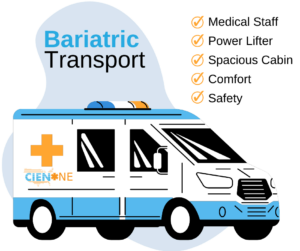 Moving a patient over 500 lbs across state lines isn’t a standard ride—it’s a carefully planned operation. Long distance medical transportation at this level requires more than just a vehicle and a driver. It takes the right equipment, trained staff, and a plan that adapts in real time.
There’s a lot people don’t see behind the scenes. That’s usually where the difference between a stressful experience and a smooth one shows up.
Why Bariatric Medical Transportation Is Different
Transporting bariatric patients—especially those over 500 lbs—changes the entire approach to medical transportation. Standard vehicles and protocols don’t cut it.
Weight capacity, patient positioning, and safety risks all come into play. Even something as simple as loading and unloading becomes a coordinated effort.
A long distance medical transportation provider has to account for:
- Specialized stretchers rated for higher weight limits
- Reinforced vehicle flooring and lift systems
- Additional trained staff for safe transfers
- Space for repositioning during extended travel
It’s not just about getting from point A to point B. It’s about maintaining dignity, safety, and comfort the entire way.
The Route Isn’t Just a Route
Planning a trip for a bariatric patient isn’t as simple as plugging directions into a GPS.
Routes are mapped out with specific goals in mind. That includes avoiding rough roads, planning fuel stops with enough space for larger vehicles, and identifying medical facilities along the way in case something unexpected happens.
For longer trips—especially multi-day transports—overnight planning becomes part of the equation too. Hotels, accessibility, and safe transfer environments all get vetted ahead of time.
It’s a level of preparation that most people don’t realize is happening behind the scenes.
Equipment That Makes the Trip Possible
This is where modern solutions really matter. Not all medical transportation providers invest in the same level of equipment, and with bariatric transport, that difference shows quickly.
High-quality bariatric transport setups often include reinforced stretchers, hydraulic lift systems, and secure restraint systems designed for higher weight capacities. Climate control also plays a bigger role than people expect, especially in warmer regions where temperature management becomes critical for patient comfort.
There’s also the question of space. A properly outfitted vehicle allows caregivers to move around, adjust positioning, and respond quickly if needed.
That kind of setup doesn’t happen by accident. It’s built specifically for these situations.
What Patients and Families Usually Ask
There’s a moment when families realize this isn’t a typical medical transportation request. Questions start coming quickly, and they’re all valid.
Here are some of the most common ones:
- Is it safe for someone over 500 lbs to travel long distances? Yes, with the right equipment and trained staff, long distance medical transportation can be done safely. The key is proper planning and constant monitoring.
- Will the patient be comfortable for that long? Comfort is a major focus. Repositioning, padding, and scheduled stops are all part of the plan to prevent discomfort or pressure issues.
- How many staff members are involved? Typically more than a standard trip. Additional personnel are there to assist with transfers, monitoring, and overall patient care.
- What happens if something goes wrong during the trip? Routes are planned with contingencies in place. Crews are trained to handle medical situations, and nearby facilities are identified ahead of time.
The Human Side of the Trip
There’s a technical side to all of this, but the human side matters just as much.
Patients traveling under these conditions are often already dealing with complex medical needs. Add in the stress of a long trip, and it can feel overwhelming.
That’s where experienced, friendly staff make a difference. A calm voice, clear communication, and simple reassurance go a long way during a multi-hour or multi-day journey.
It’s not uncommon for patients to start the trip anxious and end it feeling surprisingly at ease. That shift doesn’t come from equipment alone—it comes from the people involved.
What to Expect From Start to Finish
The process usually starts with a detailed intake. Weight, medical conditions, mobility level, and travel distance all get reviewed upfront.
From there, a plan is built around the patient—not the other way around.
Expect clear communication about timing, logistics, and what the day of transport will look like. On the day itself, the crew handles the heavy lifting—literally and figuratively.
During the trip, there’s ongoing monitoring, adjustments for comfort, and coordination if stops are needed. It’s a steady, controlled process designed to keep things predictable.
By the time the patient arrives, the goal is simple: safe, comfortable, and without unnecessary stress.
Why Experience Matters in Bariatric Transport
Not every provider handles bariatric transport regularly. And with patients over 500 lbs, experience isn’t optional—it’s essential.
A team that understands long distance medical transportation at this level knows how to anticipate challenges before they happen. They’ve worked through different scenarios, adjusted protocols, and refined their approach over time.
That kind of experience shows up in the details—how smoothly transfers happen, how comfortable the ride feels, and how confident the crew is throughout the trip.
Modern equipment helps, but it’s the combination of tools and trained people that makes the difference.
A Closer Look at Long Distance Medical Transportation Today
Medical transportation has evolved a lot over the years. What used to be limited and rigid is now more flexible, more patient-focused, and better equipped to handle complex situations.
For bariatric patients over 500 lbs, that evolution matters. It means more options, better safety standards, and a higher level of care during long-distance travel.
Providers offering advanced medical transportation services today are focused on more than just logistics. They’re focused on the full experience—making sure patients feel supported from the first call to the final destination.
That’s where the gap between basic transport and true long distance medical transportation becomes clear.
Reserve Your Transportation For Bariatric Patients
CienOne is one of the leading long-distance transport service providers for bariatric patients. Whether you need interstate or out-of-state transport service, our highly trained medical staff and skilled drivers will always be ready to assist you with 100% satisfaction.
Contact us today to know more about our bariatric stretcher transportation services and to schedule your next transport to reserve your spot.
CienOne© | Long Distance Medical Transport